Celebrate Caves at Ruby Falls
with special activities for kids!
10:00 AM - 2:00 PM
June 6, 2026
Join us for National Day of Caves and Karst
Special Activities & Booklet Giveaway for Ruby Falls Guests
This special day raises awareness of the crucial roles caves and karsts play in our lives and environment.
Tennessee has over 10,000 known caves – more than any other state. Caves and karst are rich in natural resources. Karst aquifers hold some of the most productive groundwater on Earth, supplying about 40% of the United States’ groundwater used for drinking! Caves and karst are natural storehouses for over 170 naturally occuring minerals, and some minerals are only found in caves.
Did you know…
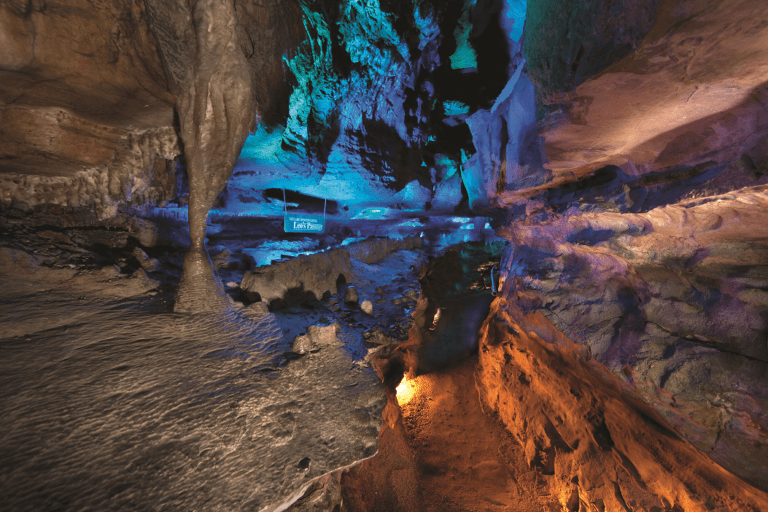
Caves often provide homes and shelter for a variety of animals. In fact, cave dwelling animals are divided into 3 categories: troglobites (cave fish or crawfish), troglogenes (bears and bats), and troglophiles (salamanders and cave crickets). Since Ruby Falls Cave is a cavern without a natural entrance, critter sightings are rare, but not impossible!
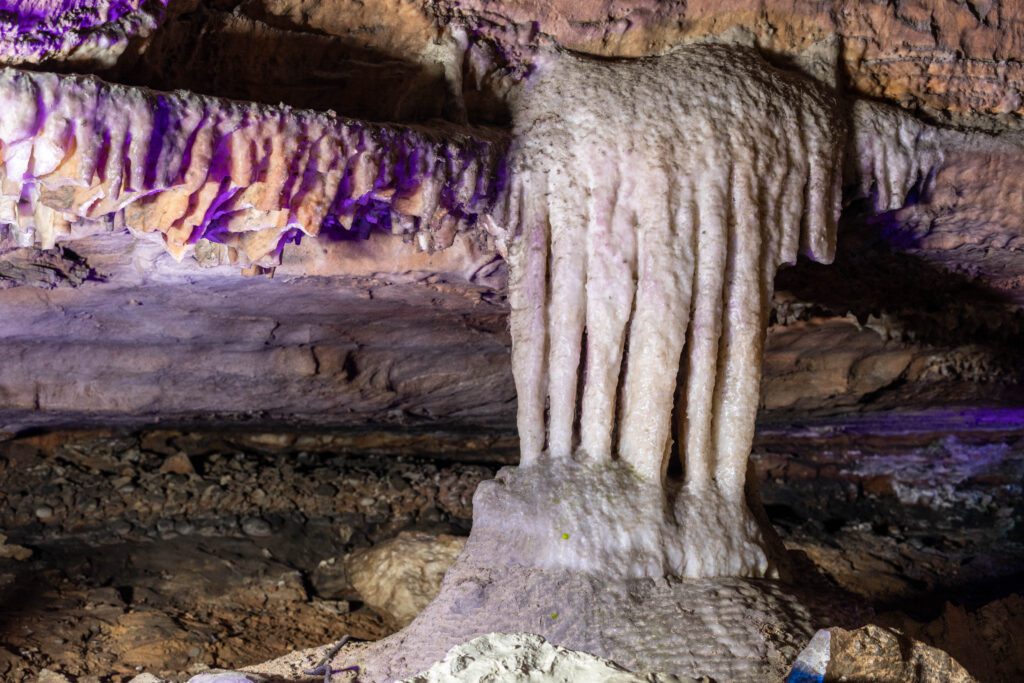
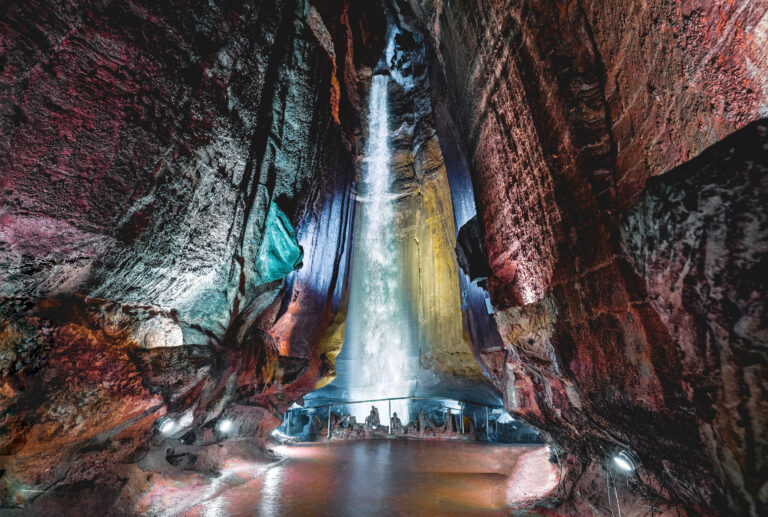
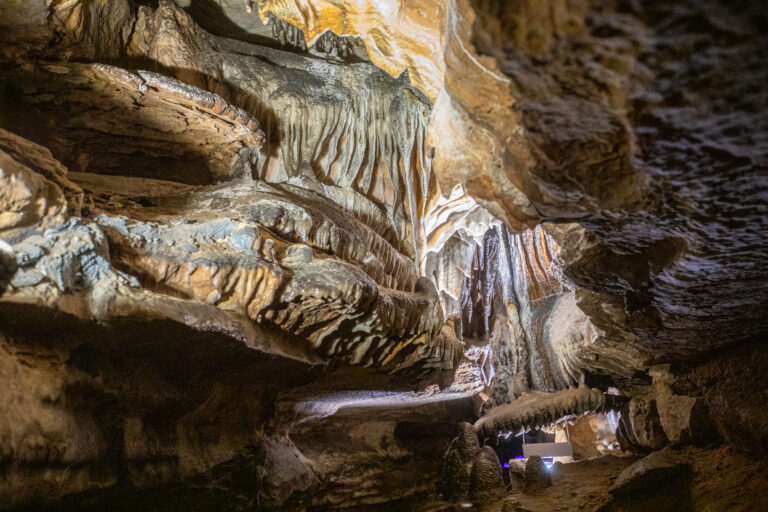
After Ruby Falls Cave was formed, a surface stream entered the cavern, leaving deposits of sand and gravel along the walls. A sinkhole developed near the head of the stream, allowing great amounts of water to enter the cave. Over time, water carved out the dome area where the waterfall is now located. Progress of the soaring waterfall room’s creation can be seen by studying the smooth sides of the limestone walls. This area of Ruby Falls Cave is also referred to as “Solomon’s Temple”.
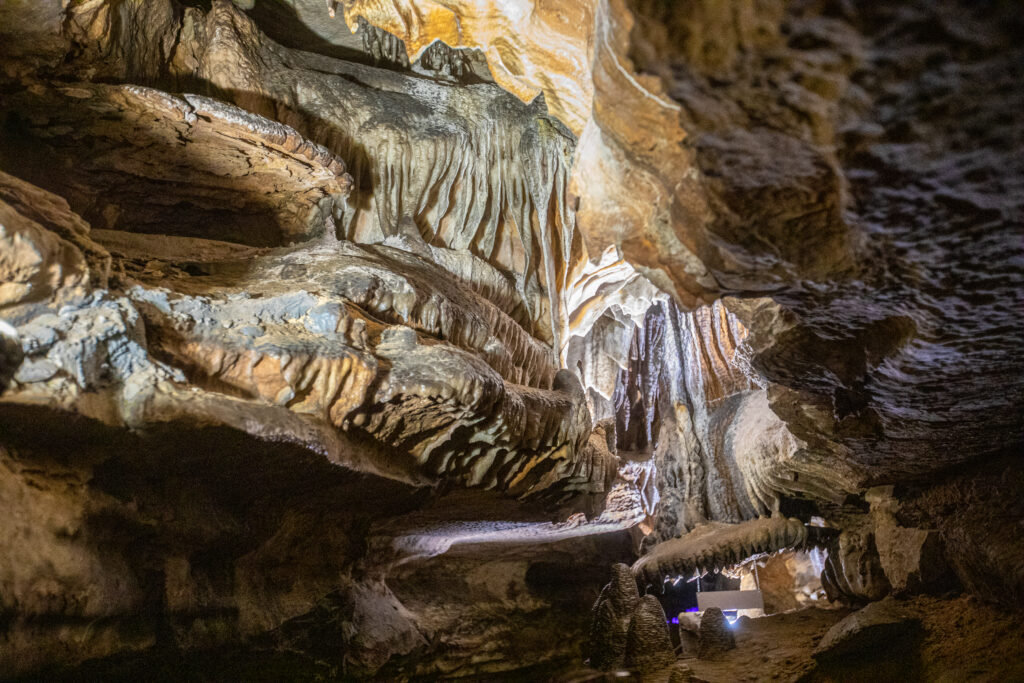
Researchers learn much from caves in ways you may not realize. By studying broken formations, historical weather trends dating back hundreds of thousands of years are discovered. Universities have partnered with privately-owned caves to even learn how bacteria plays a role in the development of new antibiotics and cancer treatments.
Only 1% all the caves on Earth have been discovered. Caves are found throughout the world, but only a small portion of them have been explored and documented by cavers or scientists.
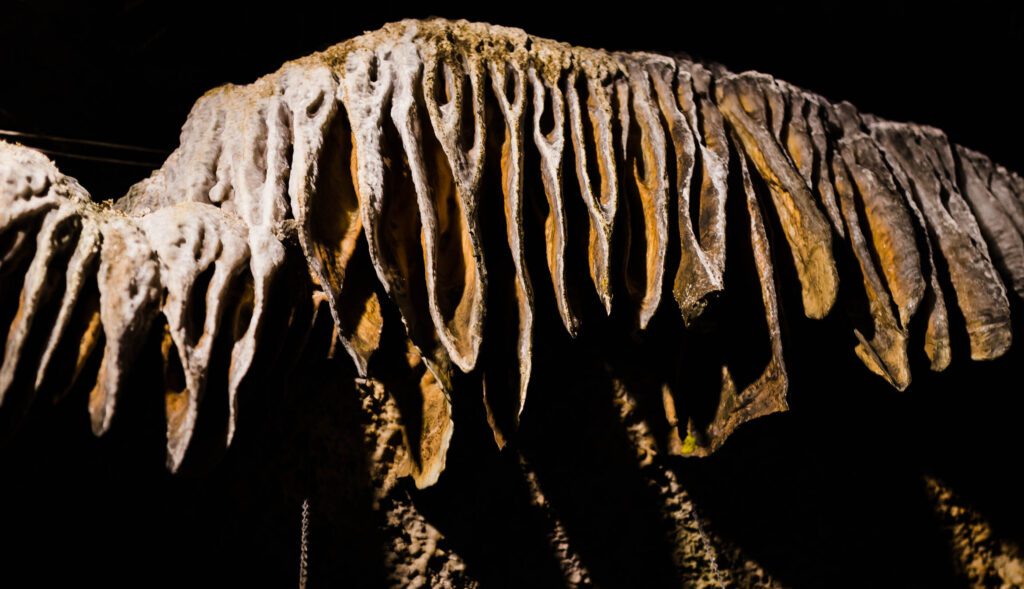
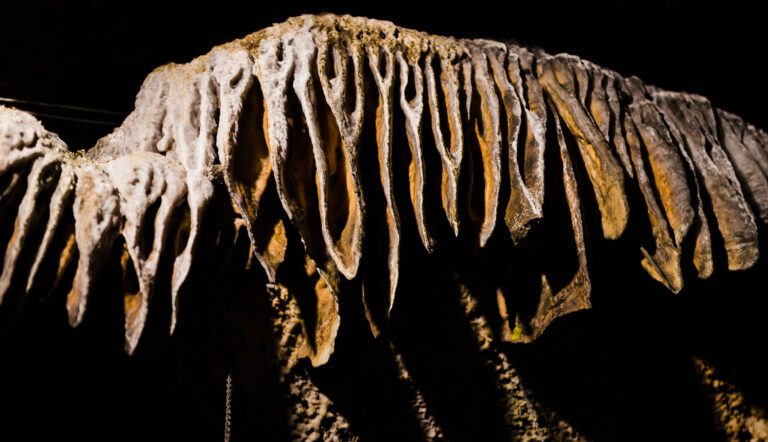
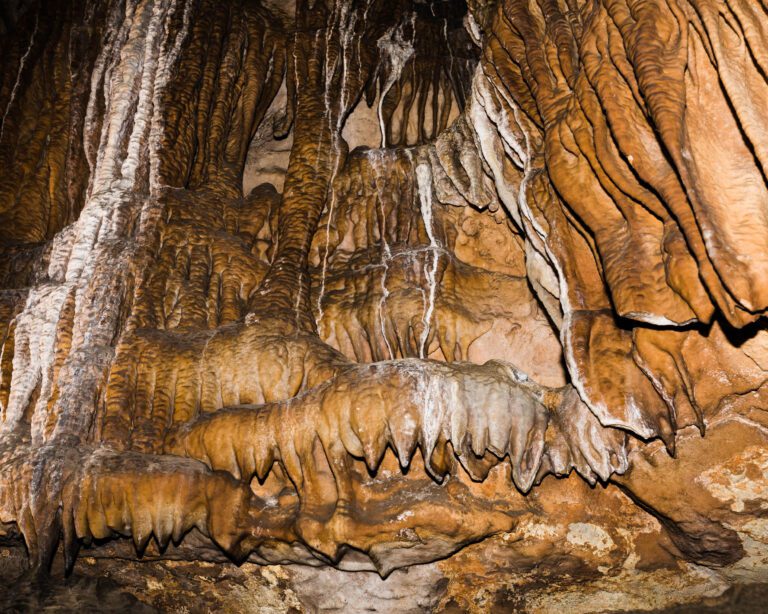
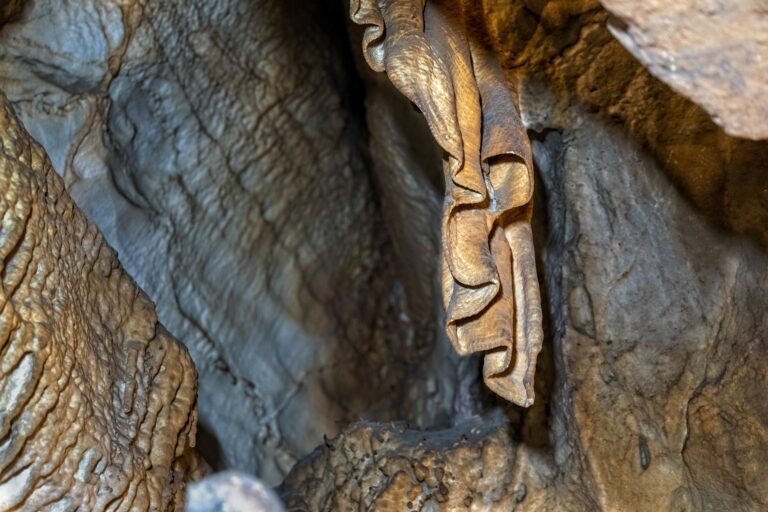
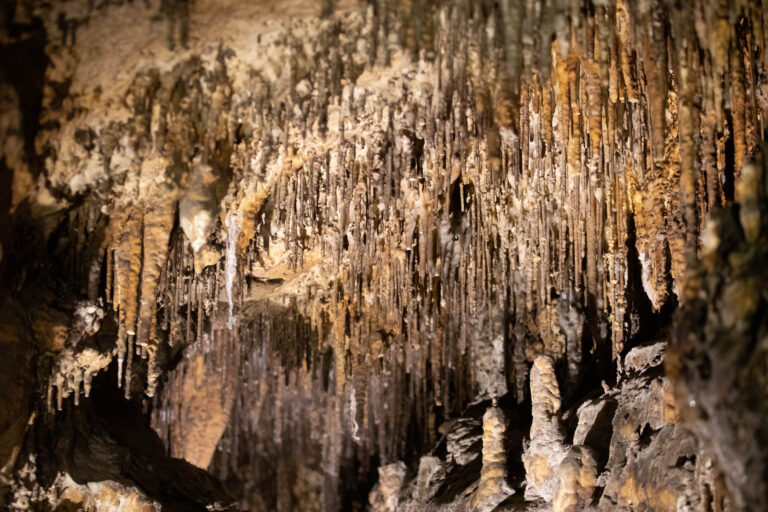
The rate formations grow varies from cave to cave, and can even vary from place to place in the same cave. The growth rate is affected by the amount of ground water and minerals moving through the rocks, air circulation in the cave, temperature of the cave, and relative humidity. The average growth rate is one cubic inch every one hundred to one hundred fifty years.